
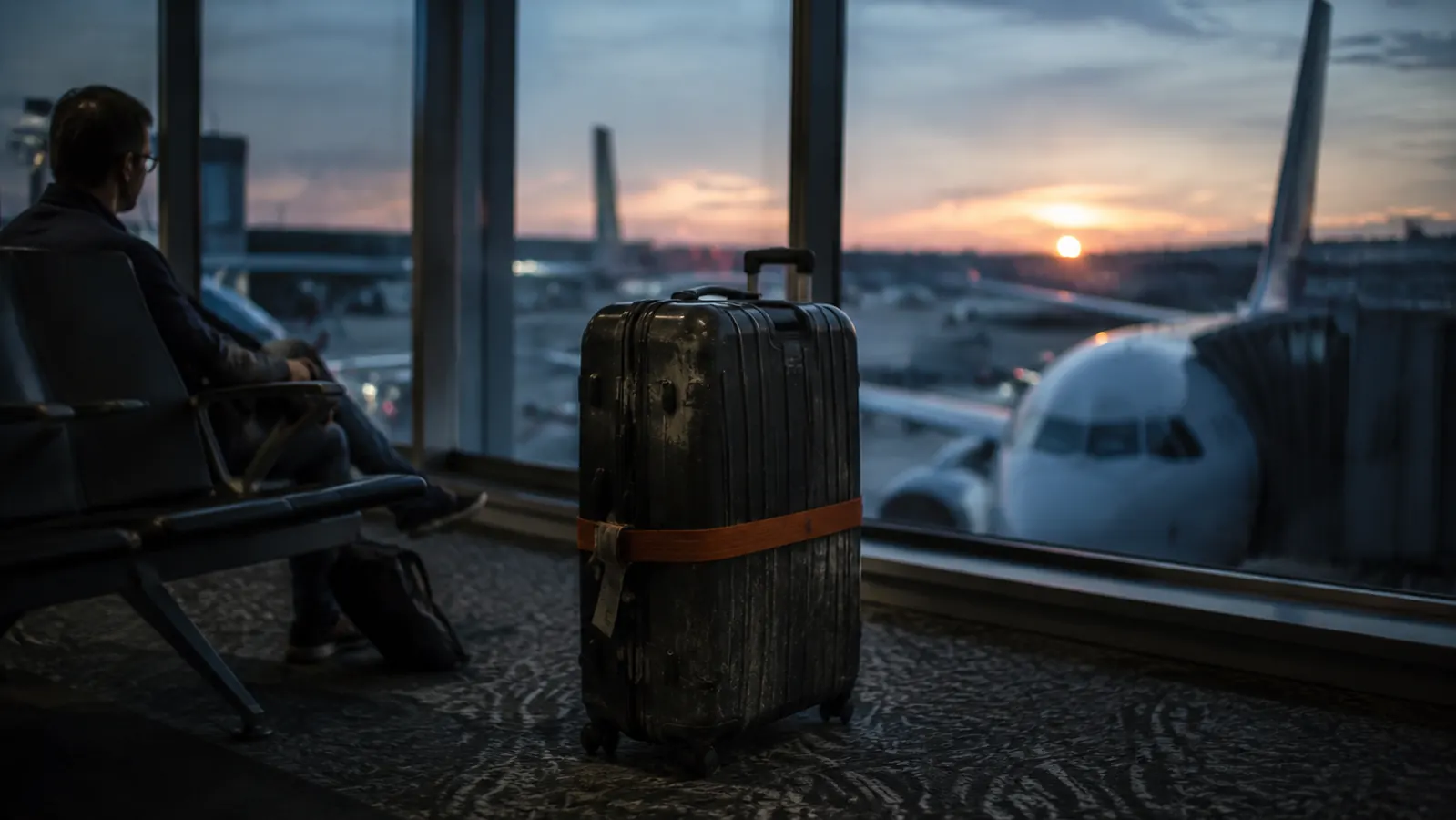
I heard it before I saw it. A dry little rip, almost like a zipper on a jacket catching wrong, somewhere behind me on the jet bridge in Charlotte. I didn't think much of it until I looked down at my suitcase and saw the zipper pull just hanging there, not attached to anything anymore.
I had a 42-minute connection. Not late, not early. Just enough time to walk fast and not enough time to deal with a problem. And now I had a suitcase that wanted to open itself.
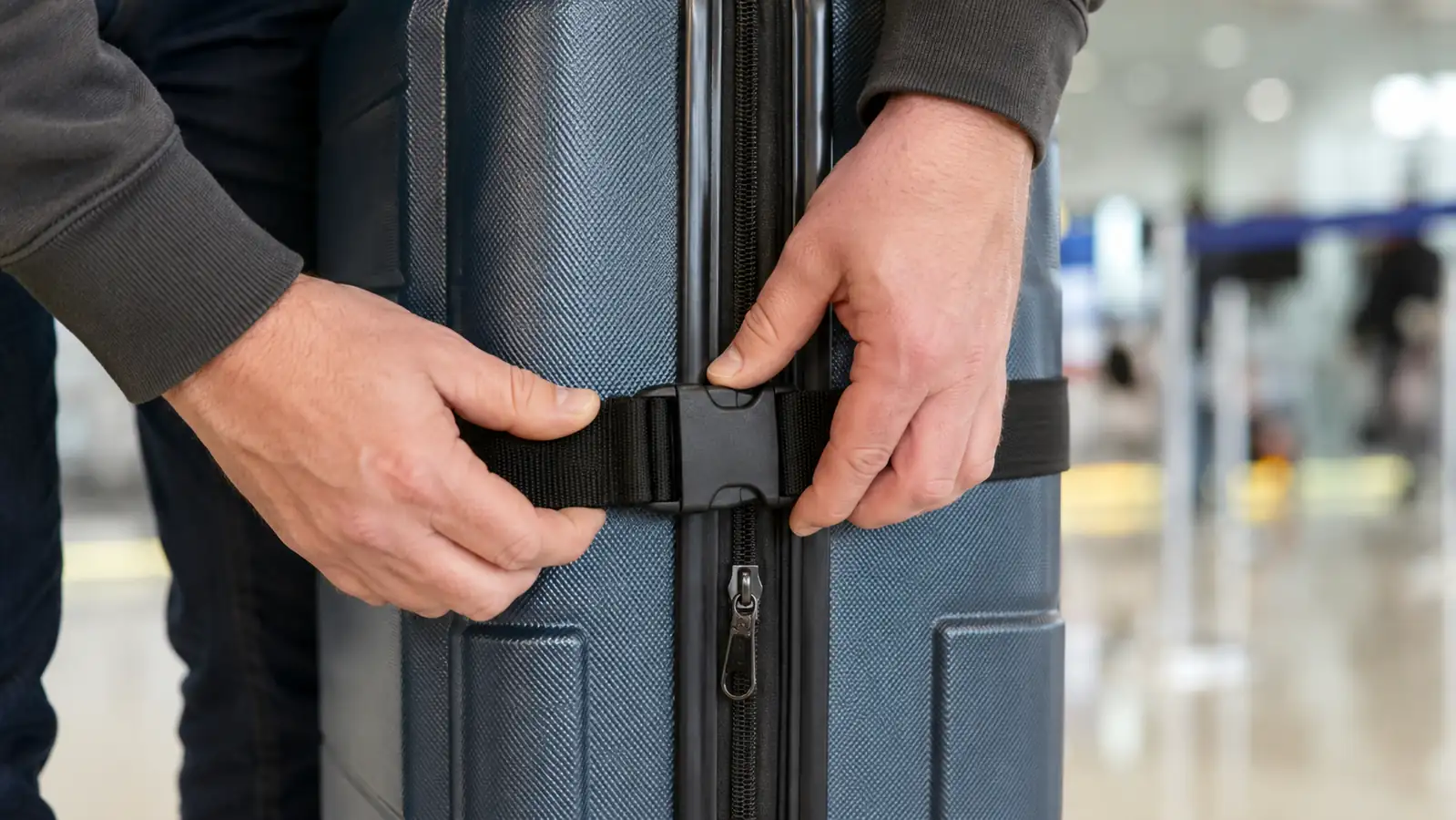
The zipper track had separated near the corner, that spot where checked bags always seem to take the worst of it. I could see a sock already trying to escape through the gap. If I'd gate-checked that bag as it was, it would have come down the ramp in pieces, or come down as nothing, my clothes scattered somewhere between Charlotte and Denver.
Here's the only reason it didn't happen that way. Back in January, after a coworker told me about her suitcase arriving open on a carousel in Phoenix, I'd bought a 4-pack of TSA-approved luggage straps, the plain black nylon kind with the metal buckle, mostly because they were under ten bucks and I figured it couldn't hurt. I'd used one on my main bag out of habit that morning, more for keeping it snug than for any real reason. I hadn't touched the zipper since I packed it in my kitchen at 5 a.m.
The zipper had already failed. The strap was the only thing standing between my suitcase and total chaos on a baggage cart.
So when the zipper let go on the jet bridge, the bag didn't open. It sagged a little at that corner, but the strap was already cinched tight around the whole case, holding the two shells together the way the zipper was supposed to. I crouched down right there, people stepping around me, and pulled the buckle another notch tighter just to be safe. Then I ran for my gate.
The $9.99 backup your zipper wishes it had
A checked zipper can fail on any flight, on any bag, no matter how new it is. A TSA-approved strap costs less than an airport sandwich and gives your suitcase a second seal when the first one gives out.
Amazon Check Today's Price on Amazon →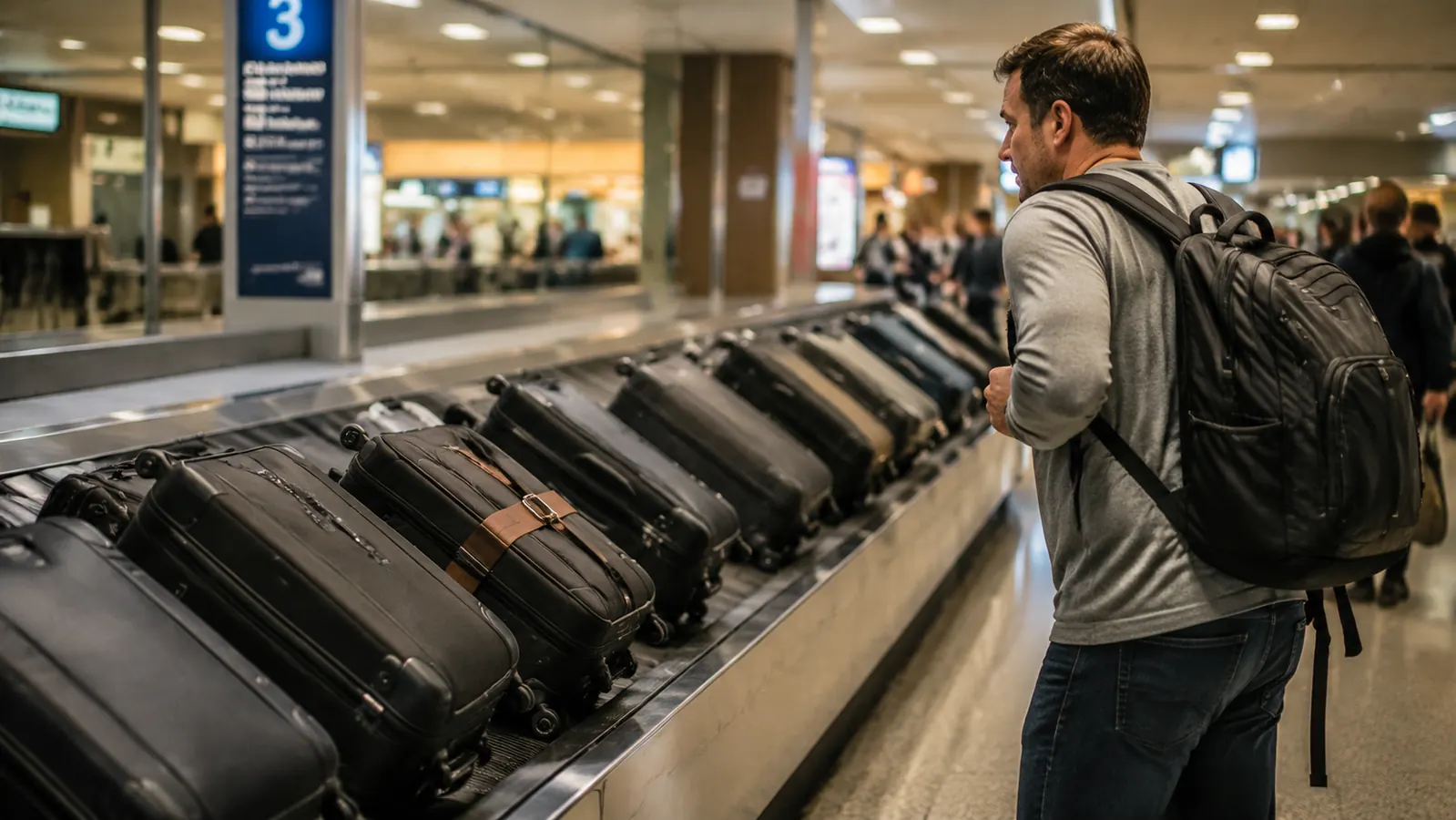
I made the connection with maybe four minutes to spare, sweating through my shirt, and I still had no idea if the bag would survive the transfer between planes. Baggage handlers aren't gentle. They toss things onto belts, stack them, drop them off carts. A suitcase with a compromised zipper and no backup would have opened at some point in that process, and once it's open on a moving belt in a cargo hold, nothing stops the contents from spreading across however many bags are near it.
When I landed in Denver, I stood at the carousel doing the thing everyone does, that low hum of dread wondering if your bag made the connection at all. Then I saw it come around the bend, sagging slightly at that one corner, held together by a strip of black nylon and a metal buckle. Everything inside was exactly where I'd packed it. Nothing missing, nothing damaged beyond a slightly bent hairbrush.
I didn't fix the zipper standing there. I couldn't have. But the strap didn't need me to fix anything. It just needed to hold, and it held.
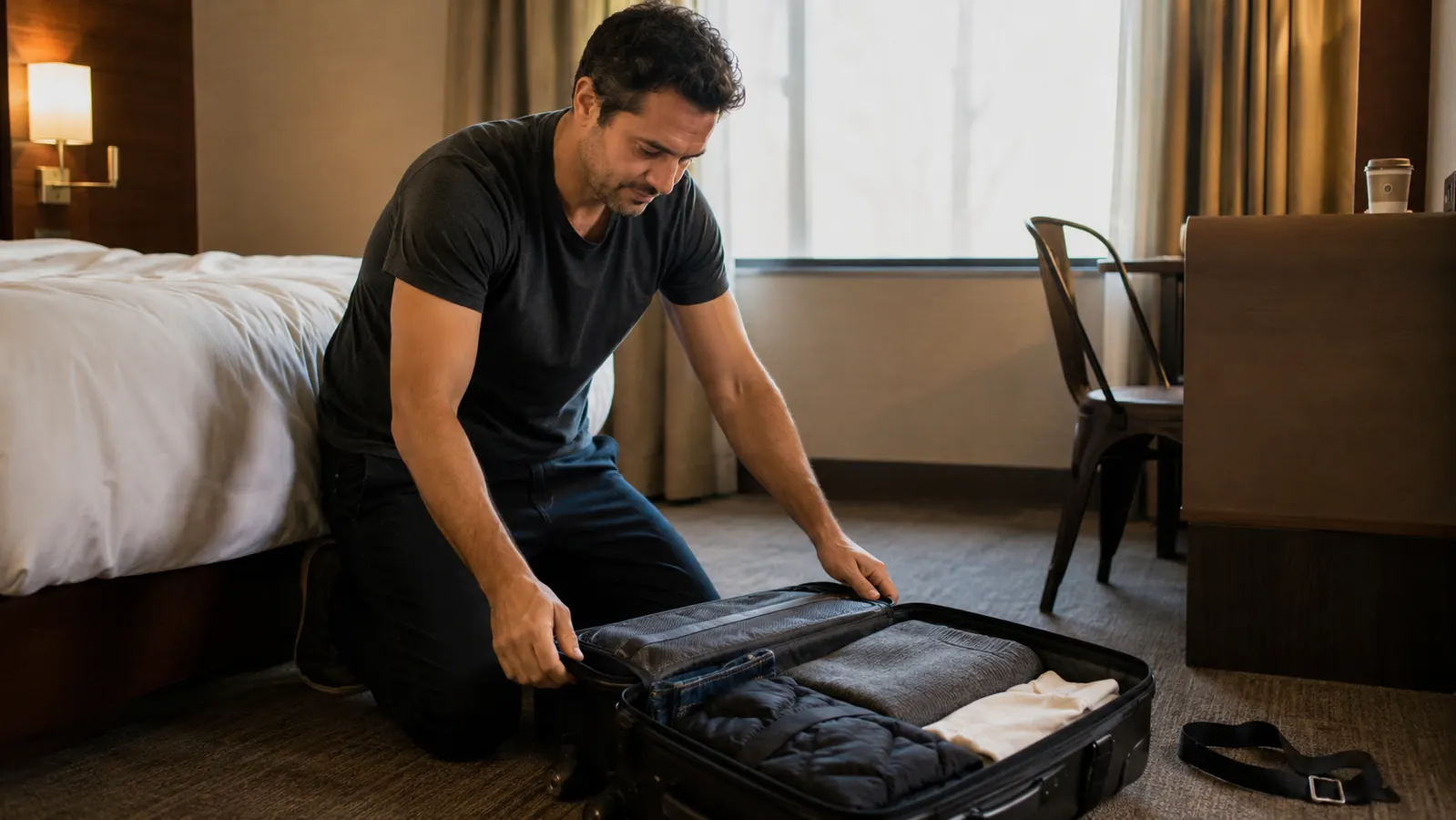
I called the airline's baggage desk from the gate in Denver, mostly out of habit, to ask what they do when a zipper fails in transit. The agent told me it happens more than people think, usually on bags that have made forty or fifty flights, and that when it does, the airline isn't liable for anything that falls out along the way. If a zipper blows and your bag empties itself onto a conveyor belt, that's on you, not them. That conversation stuck with me more than the scare on the jet bridge did.
My suitcase was five years old, plenty of mileage, the exact profile of bag that fails this way. I'd never once thought about the zipper as a weak point until it wasn't holding anymore. Now I check the track on every bag I own before a trip, and every one of them gets a strap regardless of what I find, because you can't always see a zipper that's about to go.
What I'd Tell You If We Were Sitting at My Kitchen Table
If you asked me over coffee whether a luggage strap is really worth packing, I'd tell you the truth. Most trips, you won't need it for anything dramatic. It'll just keep your bag a little tighter, maybe make it easier to spot on a crowded carousel because of the color. That's most of what it's for, most of the time.
But zippers fail. Not often, but often enough that I know two people this year it's happened to, including me. And when it happens, you don't get a warning. You get a torn seam on a jet bridge with forty minutes to make your next flight. In that moment, the thing that saves you isn't clever or complicated. It's a cheap strap you bought on a whim in January and forgot you had, doing exactly the one job it was built for. I've bought a strap for every bag in my closet since. Cheap insurance, and the one time you need it, you'll be glad you didn't skip it.
Don't wait for your zipper to fail mid-layover
Grab a TSA-approved luggage strap before your next trip. It takes ten seconds to put on and it's the difference between a scare and a real problem when a zipper gives out.
Amazon Check Today's Price on Amazon →